Institute of Biodiversity and Ecosystem Research
Bulgarian Academy of Sciences
Institute of Biodiversity and Ecosystem Research
Bulgarian Academy of Sciences
 On October 9, 2026, the annual award ceremony for the nominees of the Annual Biodiversity and Climate Awards 2026 took place at the "Peroto" Club in Sofia. The event celebrates the achievements of individuals, organizations, projects, and initiatives dedicated to nature conservation in Bulgaria. This year, for the first time, a new category for scientific contribution was introduced, featuring 12 nominated scientific papers, including two dissertations.
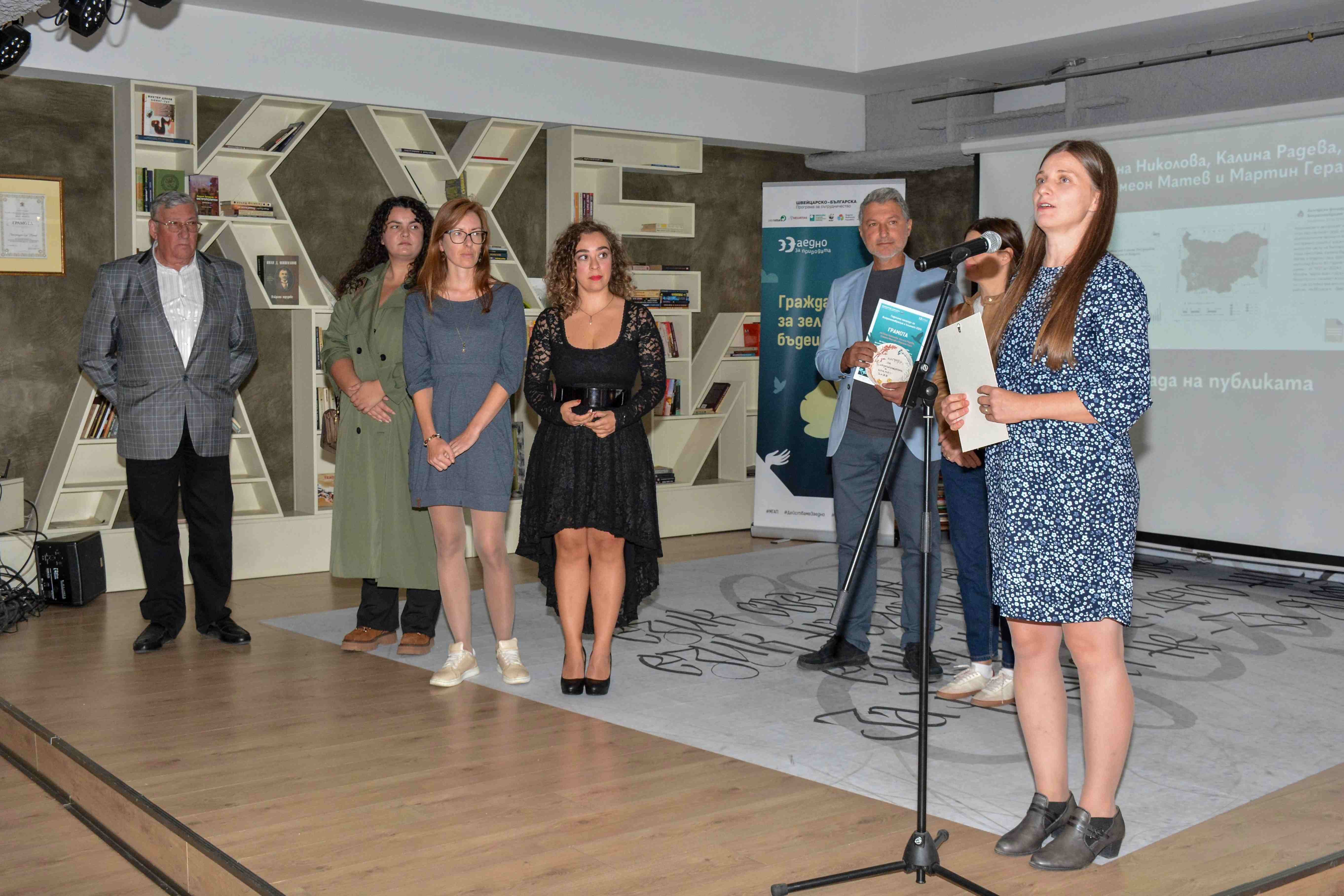
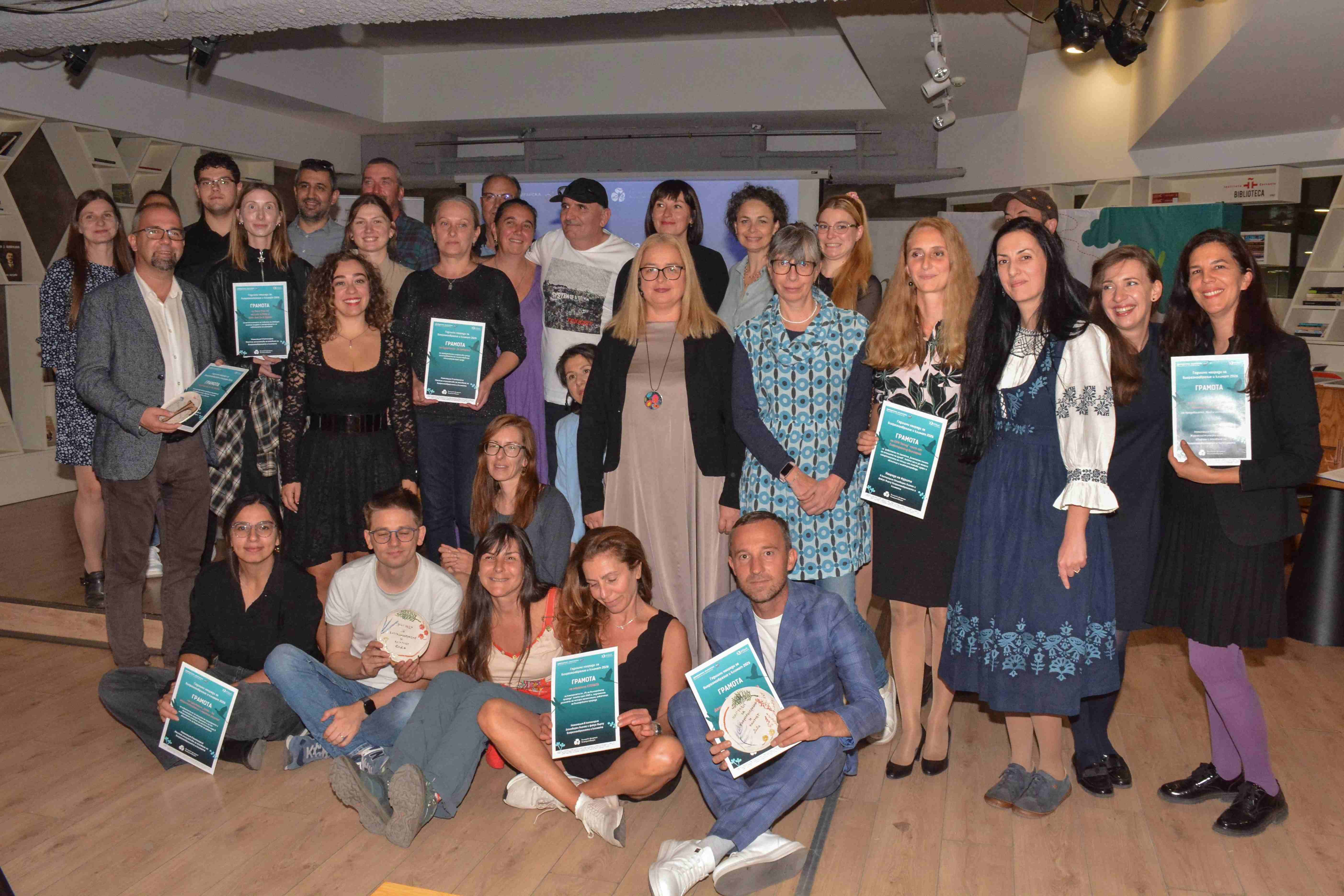 The 2026 Jury Award was won by the scientific publication „Ecosystem Functioning under Climate Changes, Hydrological Confinement and Pollution Risks in the Shabla–Ezerets Lake System (Northern Bulgarian Black Sea Coast): Controlled Seasonal Outlet as a Pathway to Nature-based Restoration“, which examines the ecological challenges facing the Shabla-Ezerets lake system. The paper features the participation of Radoslava Bekova, Bogdan Prodanov, Todor Lambev from the IO-BAS, and our colleague Chavdar Gusev.
 Several other remarkable scientific works from IBER-BAS were also nominated:
/IBER-BAS, 12.10.2026/
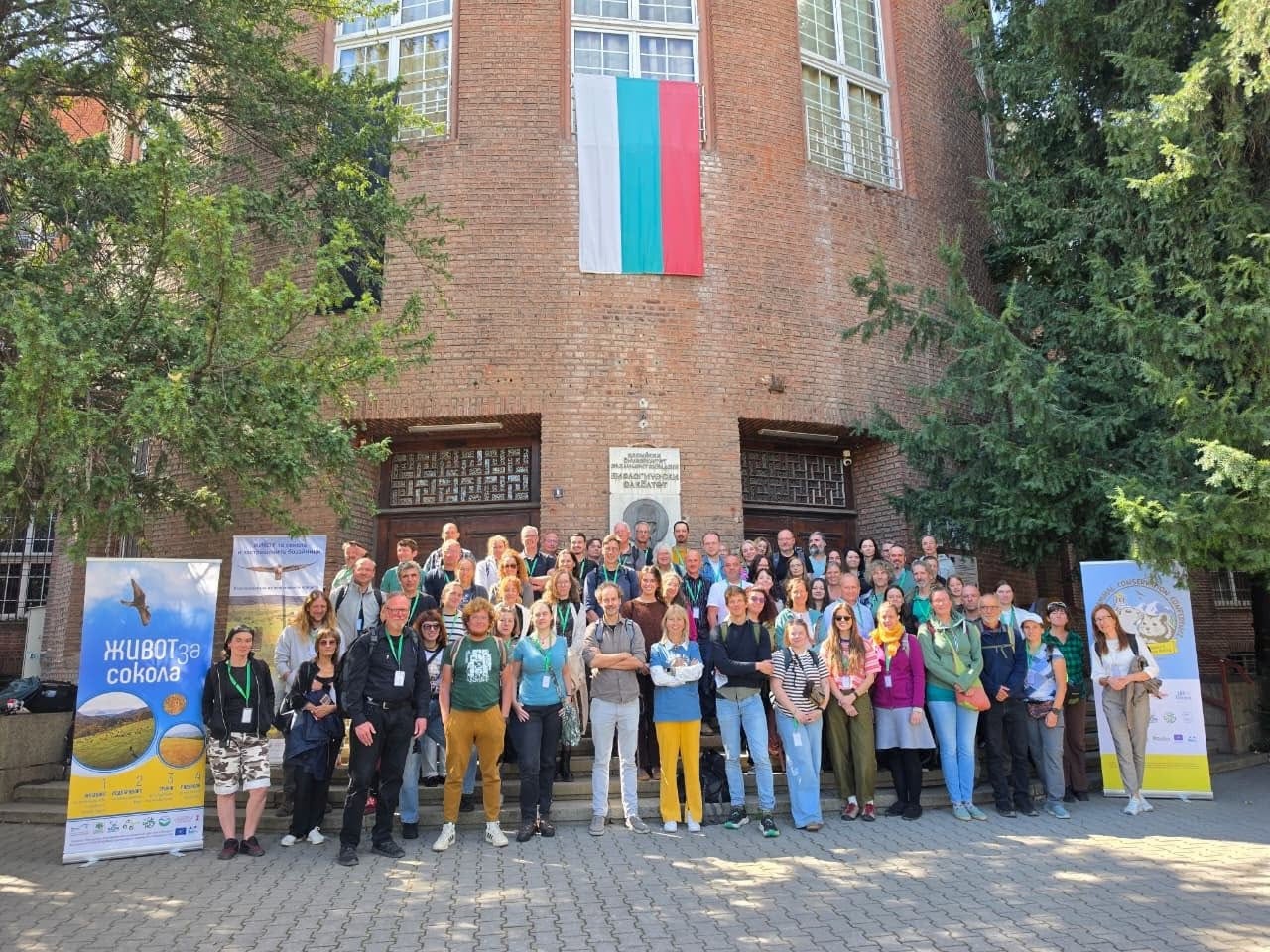 From 21 to 25 September 2026, the First European Small Mammal Conservation Conference took place in Sofia. The conference was dedicated to the conservation of small mammals, a group that broadly includes rodents (ground squirrels, hamsters, dormice, mole-rats, and others), insectivores (shrews, moles, hedgehogs), and lagomorphs. The participants of the conference officially submitted a joint position paper and declaration to the European Commission. In the document, leading European experts raise the alarm over serious gaps in the monitoring of small mammal species, which play a crucial role in ecosystem functioning and the survival of numerous protected predators.
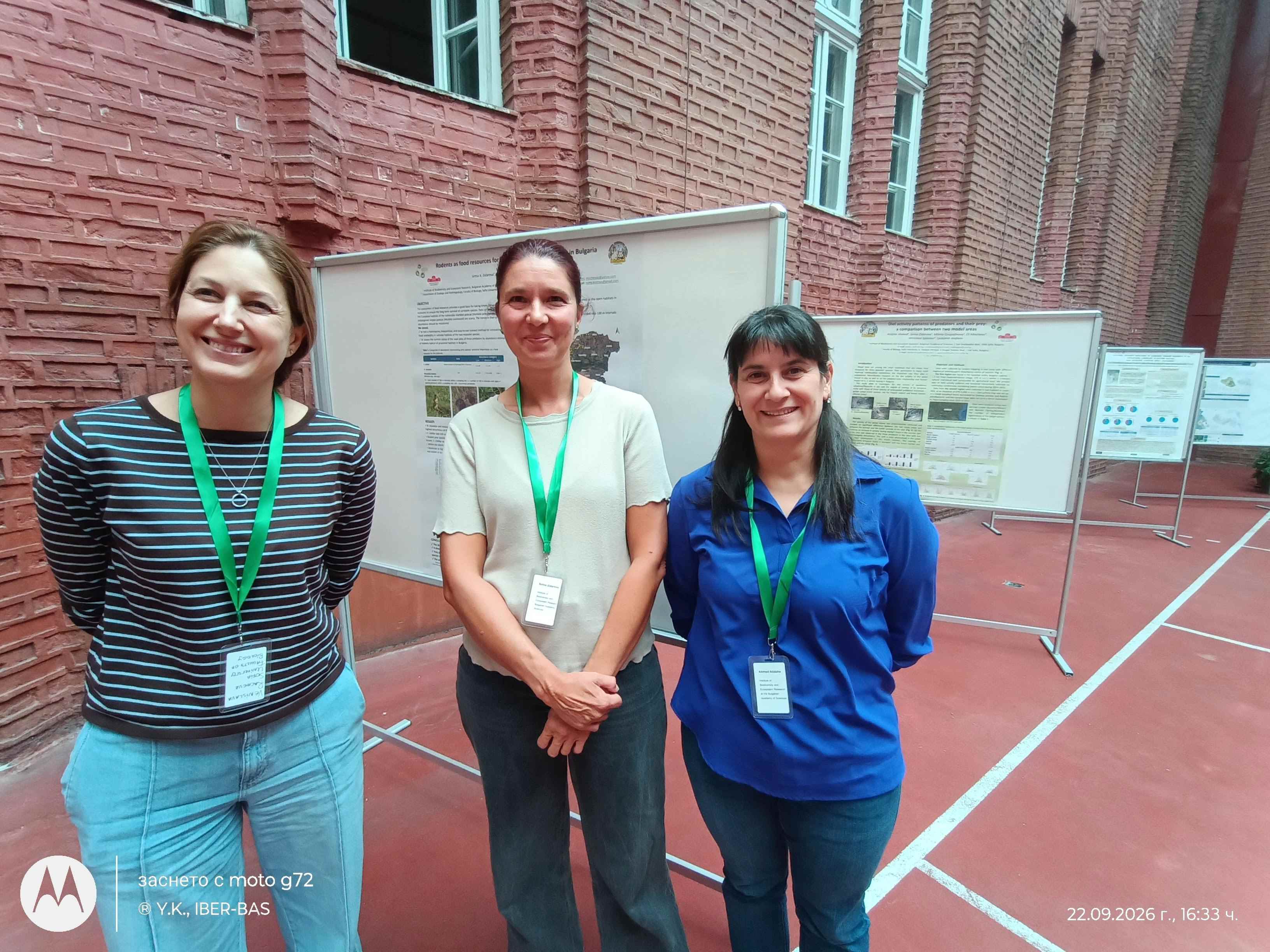 The Institute of Biodiversity and Ecosystem Research at the Bulgarian Academy of Sciences (IBER-BAS) organized the conference together with the Habitat Foundation, kindly hosted by the Faculty of Biology at Sofia University. Representatives of IBER-BAS, including: Dr. Maria Kachamakova, Dr. Sirma Zidarova, Dr. Atidzhe Ahmed, Dr. Yordan Koshev and others, participated in nine scientific presentations and posters. PhD students Polina Nikova and Nikola Ganchev ensured the technical execution of the conference and led guided walking tours of the city. A welcome address at the opening of the conference was delivered by the Chairman of the Scientific Council of IBER-BAS, Prof. DSc Boyko Georgiev.
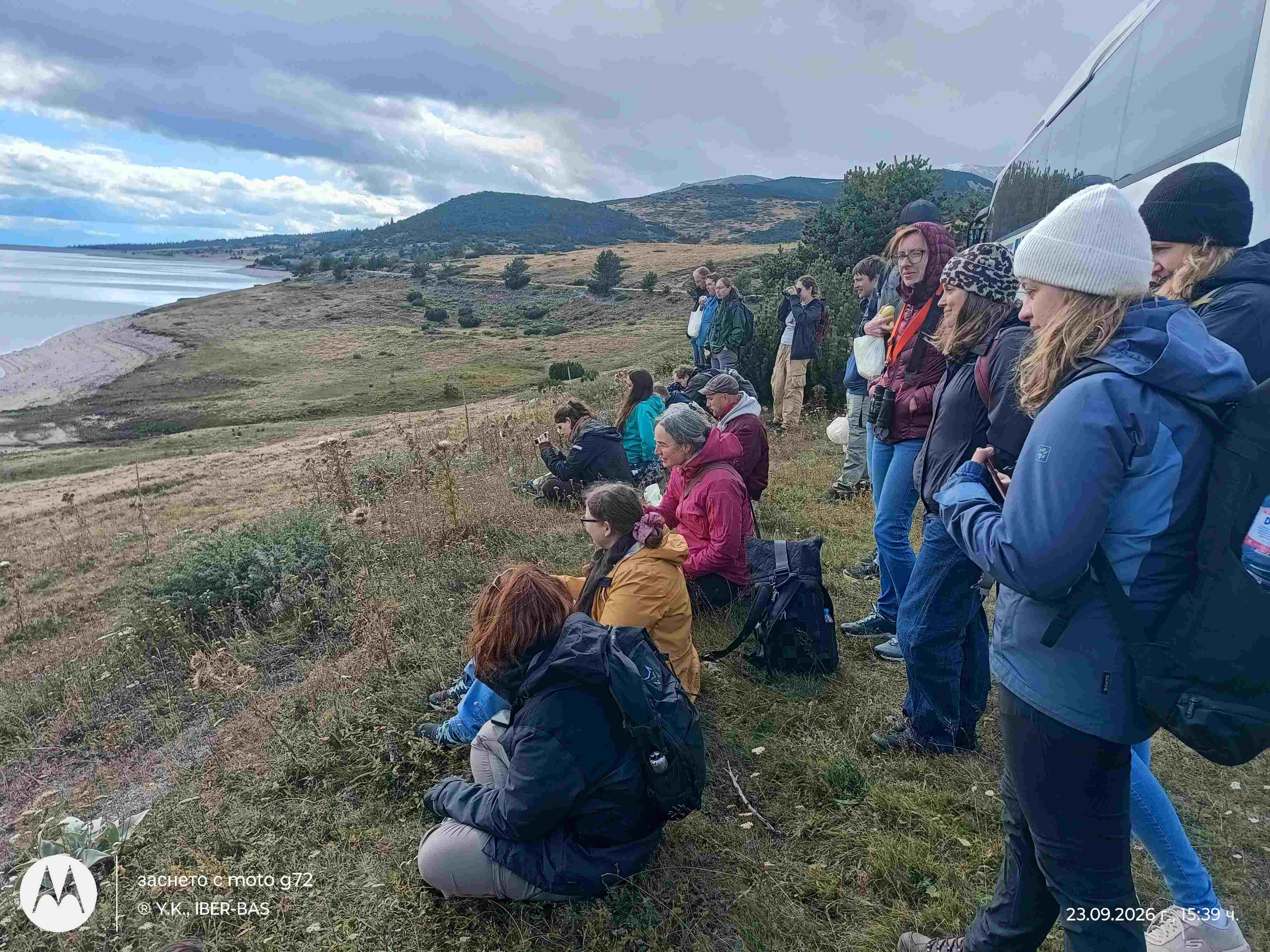 The most captivating part of the program was the presentation of results from the breeding and release of the Romanian hamster (Mesocricetus newtoni) - a species endemic to the world, found only in a small part of Bulgaria and Romania. Conference participants also visited the surroundings of Belmeken peak in Rila National Park, home to the highest-altitude colony of the European ground squirrel (Spermophilus citellus) in the world.
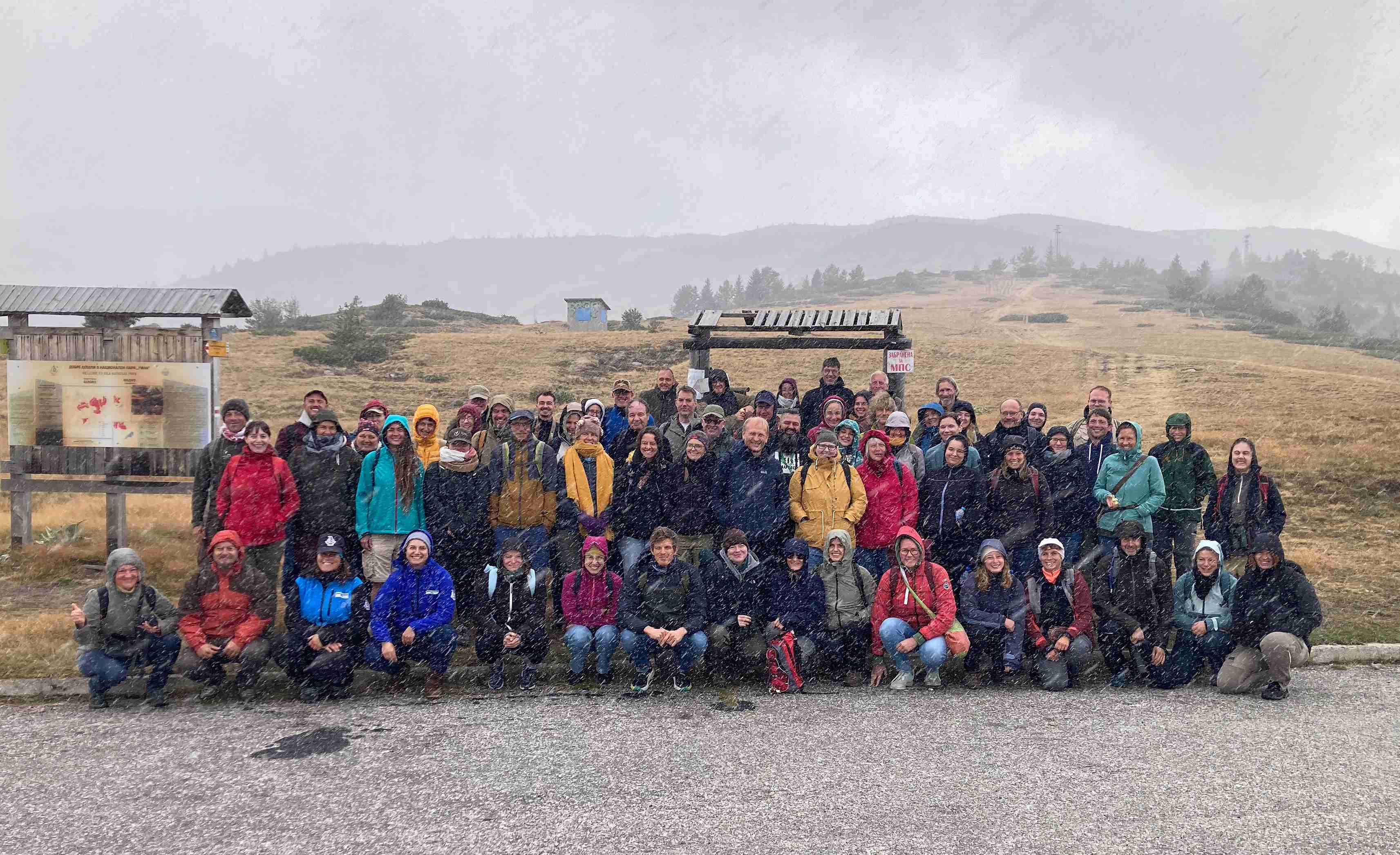 The conference took place within the framework of the project "Securing the recovery of the endangered Saker Falcon in Bulgaria and Southern Romania" (LIFE20 NAT/BG/001162), which receives financial support from the European Union's LIFE Programme.
The booklet containing the program and abstracts of the conference is available at this link.
/IBER-BAS, 29.09.2026/
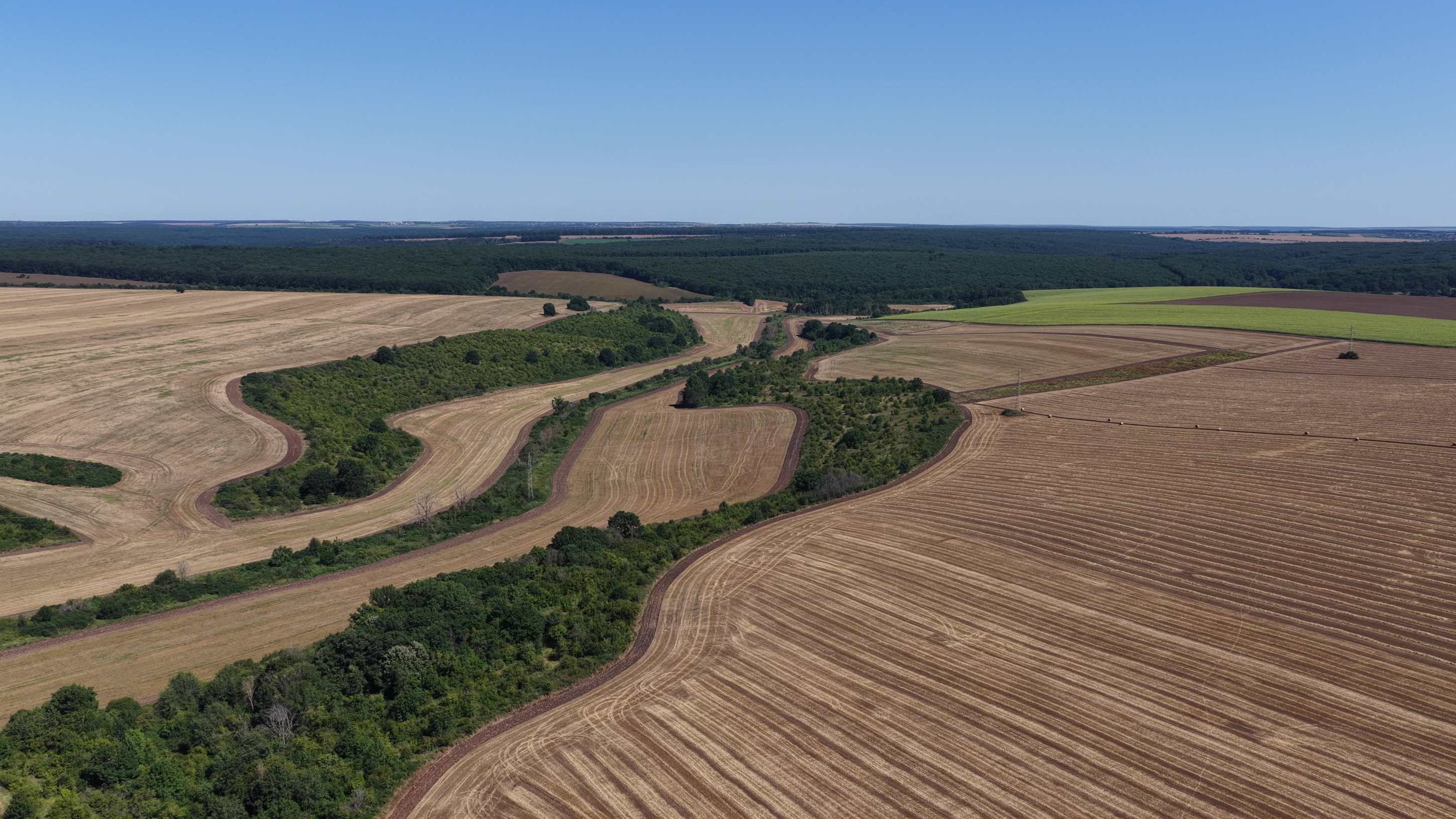 An expert team including the Institute of Biodiversity and Ecosystem Research at the Bulgarian Academy of Sciences (IBER-BAS), the Bulgarian Society for the Protection of Birds (BSPB), agronomists from “Agrotime“ Ltd., and volunteers carried out the first release of 9 Romanian hamsters for 2026. The animals, bred in captivity, were introduced into their natural habitat in a specially prepared area within the municipality of Isperih.
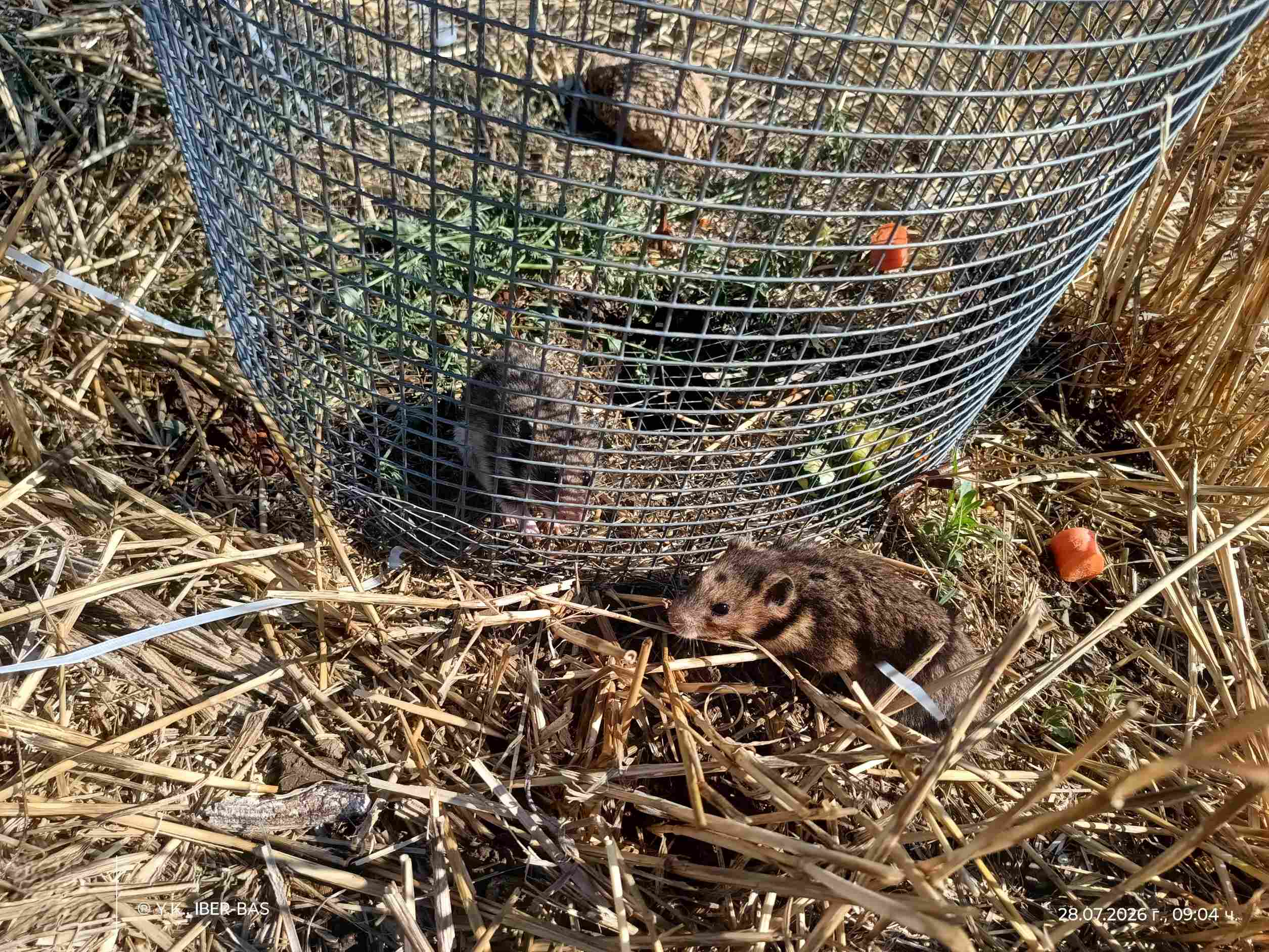 The experts dug artificial shelters (burrows) and placed protective metal cages to facilitate the hamsters' adaptation to the new environment. The animals were fed fresh vegetables and a grain mixture. During the adaptation period, the animals are under the continuous observation of experts and installed automated trail cameras (photo traps).
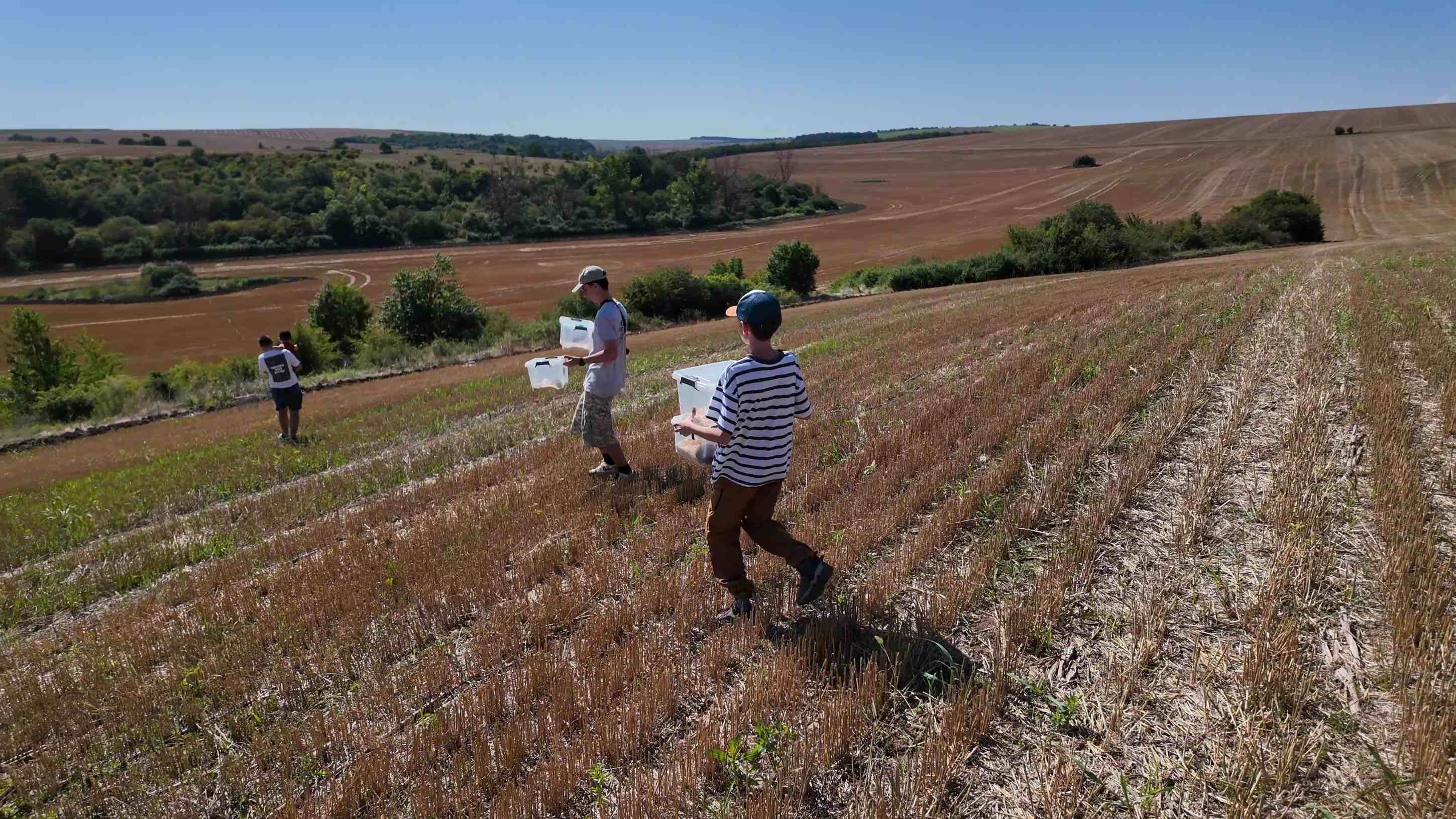 The chosen location is a harvested wheat field with natural grass cover and numerous remaining unharvested ears of grain, providing food for the hamsters. The area borders belts of natural vegetation separated by firebreaks, where the hamsters immediately began digging their burrows.
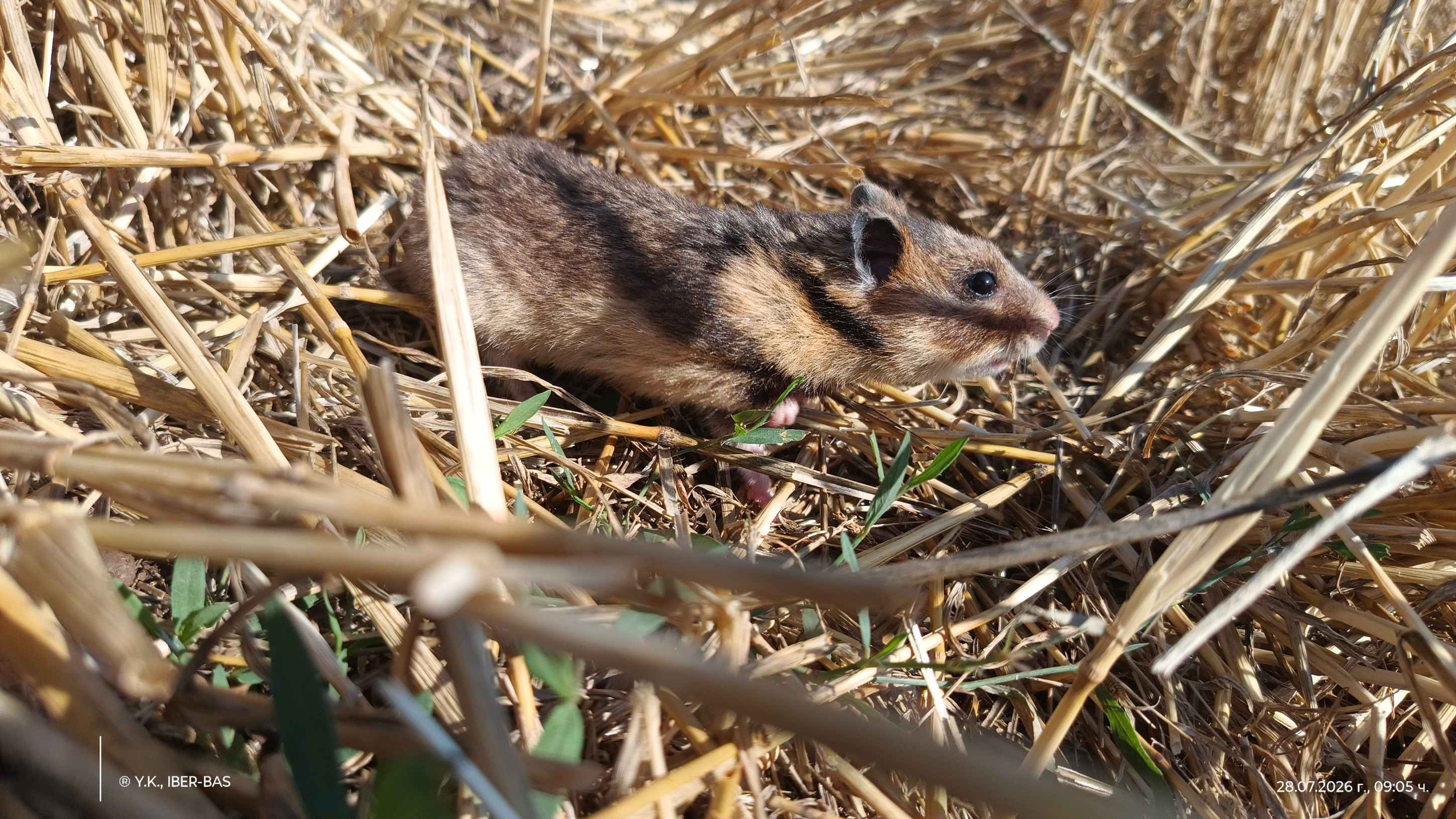 The Romanian hamster (Mesocricetus newtoni)is an extremely rare mammal included in the Red Data Book of the Republic of Bulgaria. The main goal of the scientists is to support the survival and recovery of this endangered species through captive breeding and subsequent reintroduction.
 The 8th European Congress of Conservation Biology (ECCB 2026) was held from 6 to 10 July 2026 at Leiden University, the Netherlands.

 Participation in the conference is part of the project "Securing the recovery of the endangered Saker Falcon in Bulgaria and Southern Romania" (LIFE20 NAT/BG/001162), funded by the LIFE Programme of the European Union.
/IBER-BAS, 14.07.2026/
 The event will bring together scientists, conservation practitioners, policy experts, and students to exchange up‑to‑date scientific findings, conservation approaches, and practical experience related to the study and protection of small mammals worldwide.
/IBER-BAS, 11.03.2026/

 MDPI Top Pick Article for October 2025 is the publication of Nikolay Yordanov a PhD student in IBER - BAS. This is recognition of the high level of the research and significance of the results archived by Nikolay Yordanow in his current investigation s a part of his PhD project.
 On the WILDCARD project website (IBER-BAS is one of the core partners in it), and Spotify, audiences can now explore WILDCARD: The Forest Game — a podcast series that brings the science of rewilding to life.
/IBER-BAS, 06.08.2025/
 Assoc. Prof. Dr. Vesela Evtimova from IBER-BAS was one of the five invited plenary speakers of the prestigious 14th Symposium for European Freshwater Sciences of the European Federation for Freshwater Sciences. The symposium was held in the welcoming Bolu University, Türkiye between 20 and 25 July 2025. There were more than 400 registered participants from five continents with presentation in 38 parallel sessions, two poster sessions and four workshops.

 mova gave a lecture entitled "Hydrological stress: how & are aquatic invertebrates & ecosystems coping?" It focused on modified hydrological regimes, their drivers and the changes they trigger, e.g. deterioration, fragmentation and homogenisation of habitats; decline of food resources; alteration at various levels of organisation in aquatic communities and the concurrent reduced buffering capacity and degradation of ecosystem integrity. Dr. Evtimova presented examples of tools we could employ to better understand the acting mechanisms and several case studies on the relationships among hydrological regimes/stress, aquatic habitats and biota, as well as of invertebrates that thrive under hydrological stress.
 Moreover, she co-authored a poster on Macroinvertebrate response to water level regulation in the littoral zone of Lake Maggiore presented by Dr. Lyudmila Kamburska et al. from the Water Research Institute of the National Research Council of Italy (CNR-IRSA) in Verbania.
 Dr Biljana Rimcheska, a PostDoc at IBER-BAS, gave a talk entitled "The significance of Mayflies (Insecta: Ephemeroptera) in mountainous and semi-mountainous rivers from watersheds within the West Aegean Basin".
/IBER-BAS, 30.07.2025/
 Romanian hamster (Mesocricetus newtoni) is a very rare species that is found only in Bulgaria and Romania. It lives in the open habitats of Danube Plain. The species is included in the Red Book of Bulgaria and protected by the Biological Diversity Act. After two years of intensive work aimed at studying the distribution and biology of this endangered species, scientists from the Institute of Biodiversity and Ecosystem Research at the Bulgarian Academy of Sciences (IBER-BAS) managed to carry out hibernation and breeding in captivity and to raise four litters of black-breasted hamsters.
 In early June 2025, a team from the IBIR-BAS leaded by Assoc. Prof. Dr. Yordan Koshev, the Bulgarian Society for the Protection of Birds (BSPB) and the Habitat Foundation - Netherlands released the first 12 young hamsters into the wild in the vicinity of the village of Sveshtari, Isperih municipality. The last data on the presence of the species there are from 40 years ago. After special preparation of the release site including site selection, making artificial holes, placing adaptation cages to protect against predators, feeding with vegetables and grain and guarding, the young animals were released into the wild.
 would not have been possible without the help of a leading agricultural company based in the town of Isperih, which provided suitable land for the release of the animals.
 The first observations of the released hamsters show that they are successfully adapting into the wild. They are already digging new holes, eat well and even store food.
/IBER-BAS, 13.06.2025/
 Today - 22nd April - is International Earth Day and the world is turning its attention to nature and biodiversity, as well as to the problems they face. When the pressure on living organisms decreases, they are sometimes able to recover and repopulate the territories from which they disappeared. This is also happening with the Eurasian beaver in northern Bulgaria.
 A team of young scientists from the Institute of Biodiversity and Ecosystem Research, Bulgarian Academy of Science (Aneliya Bobeva, Maria Kachamakova, Simeon Borisov, Yordan Koshev, Vladimir Todorov and PhD stidents Polina Nikova and Blagovesta Dimitrova) has proven that the beavers, which have been observed for several years along the Bulgarian Danube River and some of its tributaries, belong to the native species Castor fiber, which disappeared 150 years ago, and not to the invasive American beaver Castor canadensis.
 For this purpose, the most modern methods for isolating DNA from water and gnawed wood chips were used. It was also found that beavers in our country carry haplotypes of preserved relict populations from France and Norway, which were used for reintroductions in Germany, and from there to neighboring Romania. This gives reason to assume that they originated from Romania and migrated to Bulgaria by crossing the Danube.
/IBER-BAS, 22.04.2025/
 A team of young scientists and postdoctoral fellows from IBER-BAS has published the first Bulgarian study of a migratory wader's food spectrum at a migration stopover site on the Black Sea coast using DNA metabarcoding. Migratory waders use stopover sites to refuel for the next stages of their migration, relying on seasonally abundant prey. Migration success depends on food quality and availability at these key sites. The study analyzes the diet composition and preferences of the Grey Plover (Pluvialis squatarola) at its migration stopover at Pomorie Lake on the South-Western Black Sea coast, Bulgaria through DNA metabarcoding of faeces, and compares them to available prey in the surf zone and the supralittoral sandy shore habitats in the study area.
 The study found no significant seasonal variation in Grey Plover diet composition, but the proportions of some prey taxa in the diet changed slightly, probably reflecting seasonal differences in their abundance and activity in coastal habitats.
 A new publication in the European Journal of Wildlife Research reports the discovery of the largest breeding colony of the lesser horseshoe bat (Rhinolophus hipposideros) and the Geoffroy’s bat (Myotis emarginatus) worldwide. It is located in the Eastern Rhodopes, near the town of Madzharovo. The study is a collaborative work of a team of Bulgarian and Czech researchers, with lead author Dr Heliana Dundarova (Fig. 1) of the Institute of Biodiversity and Ecosystem Research, Bulgarian Academy of Sciences.
 Bulgaria has a rich bat fauna and large colonies recorded in caves, mines and other underground shelters. Only a small proportion of nursing colonies of bats has been found in buildings. However, during recent field surveys in the area of the town of Madzharovo (Haskovo Region), the world's largest nursing colony of the lesser horseshoe bats (Fig. 2) the Geoffroy’s bats (Fig. 3) has been discovered. Between 15,000 and 18,500 individuals of 8 species use a complex of anthropogenic structures (an abandoned water reservoir and two buildings) as a summer roost.
 The find from the Madzarovo region confirms the need to organize programmes for regular monitoring as well as action plans for bat species, which will ensure the protection of breeding colonies and stop the decline in the abundance of the populations.
 A new article published in the Marine Pollution Bulletin (IF 5.3) by our colleagues from LME Sozopol, PhD student Nikola Bobchev, Dr. Dimitar Berov, Dr. Stefania Klein and Assoc. Prof. Dr. Vencislav Karamfilov, presents data from the first study on microplastic pollution in the sediments of beaches and the seabed along the southwestern coast of the Black Sea, specifically in the area of Sozopol Bay, the mouth of the Ropotamo River, and Maslen Cape.
 The results show that the highest concentrations of microplastics were found near urbanized areas (Sozopol Bay - 464.44 ± 272.50 particles per kg of beach sand and 825.93 ± 396.30 particles per kg of seabed sand). Fibers were the most common type, comprising 72.3% of the microplastics on the shore and 91.7% on the seabed. Additionally, 44% of the particles on the shore and 54% of those on the seabed were red or blue.
 The concentration of microplastics in the sediments of the beaches "Zlatna Ribka," "Gradina," and "Chernomoretz," located between the towns of Sozopol and Chernomorets, was 2 to 4 times higher than in other parts of the Black Sea. In contrast, concentrations in non-urbanized or sparsely urbanized areas were similar to those found in other studies from the Black Sea and other European seas. The concentration of microplastics in seabed sediments in this area was higher than in other studies from the Black Sea but similar to levels of microplastic pollution in seabed sediments of the Caspian Sea, Baltic Sea, the English Channel, and the Belgian continental shelf.
 Europe’s large rivers host a wealth of Europe’s freshwater biodiversity and are vital socio-economic systems. On the other hand, inland navigation in Europe is a low-carbon form of transport and is likely to increase in the coming years. However, we currently lack knowledge on how this would impact biodiversity at large scales and interact with existing stressors. An international team of scientists, with the participation of Assoc. Prof. Vesela Evtimova from IBER - BAS, published in Nature Ecology & Evolution the results of a pan-European study on the impact of inland navigation on river benthic invertebrates and fish. The research included almost 20,000 observations from over 4,000 sampling sites spanning the past 32 years.
 Among the findings of the scientists were that ship traffic was associated with loss of taxonomic and trait diversity, losses in rare taxa and establishment of invasive species, with effects being cumulative. For instance, ship traffic was especially harmful for benthic taxa and those preferring slow flows. These effects often depended on local land use and riparian degradation. In fish, negative impacts of shipping were highest in urban and agricultural landscapes.
 This study goes beyond existing work in showing that inland navigation affects the whole 35,000 km European inland waterway network and threatens biodiversity, building on previous work that focused on only sections of a particular river at a particular time. Integrative waterway management accounting for riparian habitats and landscape characteristics could help to mitigate these impacts.
 In 1992 the NATURA 2000 network was founded in the European Union. Scientists from the Institute of Biodiversity and Ecosystem Research at the Bulgarian Academy of Sciences (IBER-BAS) actively participate in the creation and development of the ecological network in the country.
 The EU annouces 21 may as NATURA 2000 day. Today we celebrate 32 years since the establishment of the NATURA 2000 network. For the event, Assoc. Prof. Yordan Koshev from IBER-BAS, participant of the project titled “Securing the recovery of the endangered Saker Falcon in Bulgaria and Southern Romania” (LIFE20 NAT/BG/001162) presented in front of Bulgarian media the importanve of protected areas and about conserving Bulgarian nature. The highlight of the conversation were the following species of conservation concern: European ground squirrel (souslik), Saker falcon, Imperial eagle and others.
For more information, please visit Bulgarian News Agency (link).
/IBER-BAS, 21.05.2024./
 Within the framework of a pan-European study led by Dr. J. Sinclair and Prof. Dr. P. Haase from the Senckenberg Research Institute & Natural History Museum in Germany, rivers in 23 European countries have been studied, of which three are in Bulgaria. Members of the team are Chief Ass. Dr. V. Tyufekchieva and Assoc. Prof. Dr. V. Evtimova from IBER-BAS. Results regarding the ecological quality of rivers of 1,365 sites based on analyses of benthic macroinvertebrates are published in the last issue of Nature Ecology & Evolution titled "Multi-decadal improvements in the ecological quality of European rivers are not consistently reflected in biodiversity metrics". The researchers established the quality has increased for the period 1992-2010, however they warn that the quality is still not good enough for almost 60% of the rivers or streams. This positive trend stalled around 2010 (for full text see here).
/IBER-BAS, 21.03.2024./
 The Institute of Biodiversity and Ecosystem Research, BAS (IBER-BAS) was the host of the Joint ESENIAS and DIAS Scientific Conference 2023 and 12th ESENIAS Workshop ‘Globalisation and invasive alien species in the Black Sea and Mediterranean regions – management challenges and regional cooperation’, which was held on 11–14 October 2023, in Varna, Bulgaria.
 The conference was organised jointly by IBER-BAS, the Faculty of Agronomy, University of Forestry, Institute of Oceanology, BAS (IO-BAS), East and South European Network for Invasive Alien Species (ESENIAS), Danube Region Invasive Alien Species Network (DIAS), International Association for Danube Research (IAD), and SuEkos, Türkiye. The conference was supported by the Bulgarian Academy of Sciences, the National Science Fund of Bulgaria (Project КП-06-МНФ/34/25.08.2023) and NeoBiota.
 Based on their presentations four young scientists were awarded by the Scientific Committee. Assistant Polina Nikova from IBER-BAS received NeoBiota Best Talk Award for her presentation titled ‘First documented records in the wild of American mink (Neogale vision von Schreber, 1776) in Bulgaria’. Three young scientists were awarded for best zoological presentations by Acta Zoologica Bulgarica – Dr. Halyna Morhun from Ukraine, and PhD students Alexandr Vasiliev from Moldova and Ovidiu Drăgan from Romania.
 Vector-transmitted pathogens significantly contribute to the global disease burden and are causing increasing concern due to global warming and land use changes worldwide. Among these pathogens, haemosporidian parasites are of particular interest as they are widespread, extremely diverse, and can be associated with health issues for humans, livestock, and wildlife.
 A new ectoparasite species of the Turkestani long-eared bat Otonycteris leucophaea (Chiroptera: Vespertilionidae), Spinturnix otonycterisi Dundarova & Orlova, 2022 (Acari: Spinturnicidae), has been described by our coleague Heliana Dundarova, together with scientists from Russia and Kazakhstan (link to Zootaxa).
 Only a few records of the Turkestani long-eared bat are available from Central Asia, where at two localities in Kazakhstan. The lack of information for the Otonycteris leucophaea is also evident in the IUCN Red List, where its status is Data Deficient with unknown population trends.
 In addition, the phylogenetic position of the genus Otonycteris is still unresolved, which is confirmed by the pronounced morphological isolation of its specific ectoparasite Spinturnix otonycterisi. It is characterised by a bizarre form of the female dorsal shield and male sternogenital shield, and the absence of dorsal opisthosomal setae amongst others. We expect that this parasite is distributed within the range of its host in Central Asia. A key for the identification of the species of Spinturnix von Heyden, 1826 found in Kazakhstan is provided.
 After a one-year break, the next edition of The European Researchers Night 2022 Project will take place on September 30, 2022 with presentations, demonstrations, lectures and meetings with hundreds of scientists from all over the country. Experts will introduce you to news from their research fields. They will comment on current news from the world of science and technology and explain to you the role of science in everyday life and its part in the development of humanity and share with you why they chose the field of science.
 In the period 25-27 May 2022, an International Conference on DNA Barcoding and Biodiversity was held at Park Hotel Moskva in Sofia city, Bulgaria. The conference was organized by the Institute of Plant Physiology and Genetics with the Bulgarian Academy of Sciences within the BULCode project, funded by the Ministry of Education and Science under the National European Scientific Network Program. Partners in the project are the Department of Plant and Fungal Diversity and Resources of the Institute of Biodiversity and Ecosystem Research, Bulgarian Academy of Sciences and the Department of Agricultural Sciences of the University of Helsinki, Finland. Some of the leading scientists in the field of DNA-barcoding and metabarcoding were invited, such as Prof. Hugo de Boer from the University of Oslo, Canada, Dr. Čiampor JR from the Slovak Academy of Sciences, Prof. Torbjørn Ekrem from the Department of Natural History of the University Museum in Norway, Prof. Paul Hebert by University of Guelf, Canada, Dr. Marko Mutanen from Oulu University, Finland, Assoc. Prof. Laura Parducci from the University of Sapienza in Rome, Italy. More than 120 scientists from more than 40 countries took part in the conference, delivering 21 oral presentations, 9 of which were plenary, and 58 poster presentations (link of event).
 Institute of Biodiversity and Ecosystem Research, Bulgarian Academy of Sciences and Section "Biology" of the Union of Scientists in Bulgaria kindly invite you to attend the "International Seminar of Ecology – 2022", entitled "Actual problems of Ecology".
 BioBlitz survey on invasive alien species (IAS) will be conducted on 21 May 2022, in the region of Pancharevo Lake, Sofia Municipality. The survey has been organised at European level under the COST Action CA17122 Increasing understanding of alien species through citizen science (Alien CSI). Fish Migration Day will be celebrated as an accompanying event. Fish sampling methods will be demonstrated to the participants and they will be informed about the direct and indirect threats to native ichthyofauna arising from changed hydromorphological conditions and other human impact, including invasive alien species.
 Our colleagues Martin Georgiev and Professor Pavel Zehtindjiev participated in the event Electric City 2021 organised by the WindEurope Association. Their research results presented at the event were highly evaluated and awarded. A brief report prepared by our colleagues is presented below:
 IBER participated in the conference with two posters. One of them was based on an experiment conducted at the Biological Experimental Station "Kalimok" in the spring of 2020 (Poster 156: "The effect of sound on bird behaviour, application in wind farms").
 The second poster was based on an experiment conducted on the territory of the wind farm St. Nicholas in the region of Kaliakra during the spring and autumn of 2020. The award was given for this poster (Poster 155: "Real-time bird detection and collision risk control in wind farms").
/IBER-BAS, 07.12.2021/
 A new paper published in Acta Zoologica Bulgarica presented the first record of the Eurasian beaver in Bulgaria considered extinct in our country for more than 150 years. The Eurasian beaver (Castor fiber Linnaeus, 1758) (Rodentia: Castoridae) was recorded in the northeastern part of the Danubian Plain in Bulgaria (UTM code: MJ12), at about 25 km straight-line distance from the Danube River, 20 km from the Yantra River and about 85 km along the river bed of the Rusenski Lom River from its estuary.
 The territory falls within Natura 2000 Special Area of Conservation BG0000608 "Lomovete" under the Habitats Directive. The first information about traces of the life activity of the species is from mid-September 2020, and the photo registration of an individual was reached in April 2021. During this period, there were similar registrations of beavers in other neighboring territories too, which increases the chances of the species returning to Bulgaria in a semi-natural way.
 The newly established locality represents the southernmost point in the distribution of the species on the Balkan Peninsula, and is also one of the southernmost for Europe..
/IBER-BAS, 25.11.2021/
 Primary forests, defined as forests in which traces of human impact are negligible, are rare in Europe and continue to disappear. This publication presents a comprehensive geodatabase and map of known primary forests in Europe.
 The book is a results of the team work of scientists from the Institute of Ethnology and Folklore with Ethnographic Museum-BAS and the Institute of Biodiversity and Ecosystem Research-BAS in the frame of the "The Garden: Site of Biocultural Diversity and Interdisciplinary Junction" project, funded by National Science Fund in 2016 (DN10/1/13.12.2016). The project explores the "biocultural" - the idea of linking the biological and sociocultural dimensions of the "people - plants" relationship. The object of the research were family/personal home gardens, but also the gardens on the outskirts of the settlements, because they, with the exception of those specialized in certain crops, are characterized by great plant diversity and proximity to home as well as by frequent meetings of farmers with plants. The garden is a biocultural refugium, where valuable genetic resources are preserved and passed down from generation to generation - plants that gardeners define as "ours", as well as knowledge and skills for growing and using them.
 The Institute of Biodiversity and Ecosystem Research at the Bulgarian Academy of Sciences is pleased to invite you to attend the 1st International Conference on Botany and Mycology, Sofia. The event will take place on 25-26 October 2021. Due to the COVID-19 pandemic, this year the Conference will be held virtually.

With a new joint project, the National Museum of Natural History and the Institute of Biodiversity and Ecosystem Research at the Bulgarian Academy of Sciences, will digitalise one of the largest collections of biological and geological diversity in Bulgaria, stored in the scientific repositories of the two institutes. The first official online meeting conducted on January 12th 2021 has marked the start of stage one of the Distribution of the scientific collections — Bulgaria (DiSSCo-BG).
 The aim of the project is till 2027 to be digitalised and make available online a significant part of the scientific collections of invertebrates and vertebrates, paleontological materials of the NMNH-BAS, herbarium, mycological, zoological, paleontological and palynological collections and the collection of live plants of the IBER-BAS. The expectations of scientists are to be covered around 2 million collection items and about 500 000 digital images of samples associated with the database.
 Securing the infrastructural and technical needs of the collections, development of policies of unification and standardisation of regulations related to the collections access and their databases, selection of database management systems and digitalisation standards in accordance with the best practices of leading institutions, will be the emphasis during the first year of the project. The financial assistance provided by the Ministry of education and science for the first year of the project is 800 000 BGN.
 The two institutes are united in the consortium Upgrading a distributed scientific infrastructure: Distributed system of scientific collections-Bulgaria (DiSSCo-BG). The consortium is the Bulgarian link in the European distributed research infrastructure DiSSCo, included in the Roadmap of the European Strategic Forum for Research Infrastructures (ESFRI) in 2018. The project is implemented as part of the National Roadmap for Scientific Infrastructures for the period 2020—2027.
/IBER-BAS, 02.02.2021/
 Bird diets provide a real treasure for research into the distribution and conservation of their prey, such as overlooked and rare bush-cricket species, point out scientists after studying the diet of the Eurasian Eagle Owl (Bubo bubo) in southeastern Bulgaria.
/IBER-BAS, 15.01.2021/
 IBER-BAS participates in the COST Action ‘Increasing understanding of alien species through citizen science’ (Alien CSI). The Action addresses multidisciplinary research questions in relation to developing and implementing citizen science (CS), advancing scientific understanding of alien species (AS) dynamics, while informing decision-making specifically implementation of technical requirements of relevant legislation, such as the EU Regulation 1143/2014 on IAS, support of the EU biodiversity goals and embedding science within society.
 The main results from the PhD thesis of the Chief Assistant Heliana Dundarova, Department of Ecosystem Research, Environmental Risk Assessment and Conservation Biology, IBER-BAS was published in the Royal Society Open Science. The study was provided under the scientific partnership with colleagues form the Natural History Museum of Berlin, Germany.
 The paper called "Patterns of mtDNA introgression suggest population replacement in Palaearctic whiskered bat species" (pdf) is focused on the phylogeographical relationships between Myotis mystacinus and M. davidii, part of the Whiskered bat cryptic complex. The results displayed mitochondrial introgression consequence from the M. mystacinus populations hybridization with the expanding M. davidii populations using mitochondrial and nuclear molecular markers.
The study traced the shift of M. mystacinus populations from those of M. davidii on the Balkan Peninsula, under the influence of the changing environment after the last glacial maximum. Further, clarified the taxonomic status of the Balkan populations and confirms that M. m. bulgaricus is a synonym of M. davidii.
/IBER-BAS, 03.06.2020/
 During last 13 years, the Seminar of Ecology has become well recognizable and expected scientific forum in the field of ecology. Annually, well known scientists from Bulgaria and abroad are invited to present plenary lectures and to make the auditorium familiar with the achievement and challenges of this branch of the science. Professors, scientists, PhD and Master Degree students take part to present and discuss their results. Very complicated epidemiological situation did not stop the Seminar of Ecology. Online "International Seminar of Ecology - 2020", organized by Section "Biology" – USB and the Institute of Biodiversity and Ecosystem Research (IBER-BAS) was held on April 23rd and 24th in Sofia. The scientific forum was dedicated to the 10th anniversary of IBER - BAS.
 Institute of Biodiversity and Ecosystem Research of the Bulgarian Academy of Sciences is a member of ENRAM (European Network for the Radar surveillance of Animal Movement). This is a research network whose activities were funded by the COST Programme (European Cooperation in Science and Technology) from October 2013 until October 2017.
 The diversity of the smut fungi of Greenland is presented in a new monograph (The smut fungi of Greenland, MycoKeys 64: 1–164, link ), written by mycologists from Division of Mycology of the Institute of Biodiversity and Ecosystem Research, Assoc. Prof. Teodor T. Denchev and Prof. Cvetomir M. Denchev, in collaboration with Dr H. Knudsen (Natural History Museum of Denmark). This is a first taxonomic treatment of the smut fungi in Greenland. A total of 43 species in 11 genera are treated and illustrated by photographs of sori, microphotographs of spores in LM and SEM, and distribution maps. Two species are recorded as new from North America. Thirteen species are reported for the first time from Greenland. The most numerous distribution groups are the following: circumpolar–alpine and Arctic–alpine species – 14; circumboreal–polar species – 10; and circumpolar and Arctic species – 6. Only plants belonging to six families, Cyperaceae, Poaceae, Juncaceae, Ranunculaceae, Caryophyllaceae, and Polygonaceae, out of a total of 55 in the flora of Greenland, host smut fungi. The total number of the host plants (45 species) is 8.5 % out of a total of 532 vascular plants in the flora of Greenland.
This monograph is very useful and will help mycologists studying this interesting group of parasitic fungi, and researchers studying basidiomycetes of the Arctic and Subarctic regions.
/IBER-BAS, 07.03.2020/
 Section "Biology" of the Union of Scientists in Bulgaria and the Institute of Biodiversity and Ecosystem Research, Bulgarian Academy of Sciences kindly invite you to attend the "International Seminar of Ecology – 2020".
 EURING, the European Union for Bird Ringing, has long been keen to develop a continental-scale Migration Atlas that provides an up-to-date synthesis of the migration and movements of birds from the Palearctic-African Bird Migration System. This is about to happen in the near future as a new project is on the way initiated by EURING and the Convention on Migratory Species (often referred to as the Bonn Convention) as a result of funding granted by the Government of Italy under the Migratory Species Champion Programme. The Eurasian African Bird Migration Atlas is the first component of the Convention on Migratory Species Global Animal Migration Atlas. It is a result of the efforts of all Bird Ringing Schemes members of EURING, including the Bulgarian Ornithological Centre (as part of the Institute of Biodiversity and Ecosystem Research, Bulgarian Academy of Sciences) which is the national representative.
 Bulgarian Ornithological Centre (IBER-BAS) is organising a School of Ornithology and Nature Conservation "Prof. Dimitar Nankinov", following a 32-year tradition. This educational program is free of charge. The lectures will be held every Tuesday at 18:30 at the meeting hall of the National Museum of Natural History - BAS (shared building with Base 2 of the Institute of Biodiversity and Ecosystem Research - BAS, 1 Tsar Osvoboditel Blvd., 1000 Sofia).
Lecturer: Dr Boris Nikolov.
The first lecture will be on 22 October 2019.
/Bulgarian Ornithological Centre, IBER-BAS, 14.10.2014/
 A monograph "Atlas of Sphagnum-dwelling testate amoebae in Bulgaria" (Pensoft Publishers) with authors Dr Milcho Todorov and his PhD student Nikola Bankov (Department of Animal Diversity and Resources) is printed out. A total of 120 species of testate amoebae are described in the atlas, including the majority of recorded Sphagnum-dwelling testate amoebae in Bulgaria. The information for each species included description, ecology, geographical distribution, distribution in Sphagnum mosses in Bulgaria and relevant literature sources, morphometric characterisation, taxonomic notes, synonymous names, etc. Each species is illustrated by nine micrographs, primarily on scanning electron microscope (SEM), to receive information about the shell ultrastructure. Micrographs taken on light microscope (LM) are additionally given for most of them to illustrate the cytoplasm and pseudopodia of live individuals. Since most of the described species appear to be widely distributed in Europe, as well as in many other regions of the world, the atlas may be of interest to all researchers on testate amoebae and can also be used by specialists in ecology, hydrobiology, palaeoecology, environmental monitoring, as well as by lecturers and students in biology.
 Danube River fauna will be enriched in April 2019 as two important sturgeon stocking events will take place; one on April 18th in Isaccea (Romania) and another on the 12th in Baja (Hungary). These events are part of the MEASURES Project (Managing and Restoring Aquatic Ecological Corridors for Migratory Fish Species in the Danube River Basin).
 Section "Biology" of the Union of Scientists in Bulgaria and the Institute of Biodiversity and Ecosystem Research, BAS kindly invite you to attend the "International Seminar of Ecology – 2019", dedicated to 75 years USB and 150 years BAS. The event will be held on 18-19 April 2019 at IBER-BAS, 2 Gagarin Street, Sofia.
/IBER-BAS, 15.02.2019/
 IBER is a partner in the implementing of the planned activities of the project "Structure of Glacial refugia on the Balkan Peninsula and in Bulgaria – analysis of the model of genera Tilia and Ulmus", supported financially by the Science Fund of Bulgaria (contract № KP-06-N26/4, 07.12.2018), with base organization University of Forestry.
 In the 2018 National Science Fund competition session, IBER participated with a series of project proposals, including the already approved and funded project “Bulgaria’s alpine plant diversity under climate change pressure: Setup of GLORIA long-term monitoring sites and risk assessment of diversity losses (GLORIA – Bulgaria)” (contract КП-06-Н21/16 - 19.12.2018).
 The specific project objectives are:
Despite the fact, the project is for conducting of fundamental research, the obtained results will contribute to conservation of the alpine biodiversity and mitigation of the adverse impacts of climate change. Thus, the project will contribute to solving social problems, especially for maintaining the ecosystem services the alpine biodiversity provides, e.g. supply of drinking water, disaster risk reduction (avalanches, flooding, landslides, substrate erosion), aesthetic appreciation of the alpine species and landscapes (cultural services, crucial e.g. for tourism development). Maintaining rich and healthy mountain ecosystems is crucial for the ecosystem-based adaptation (EbA) to climate change, that is the use of the biodiversity and ecosystem services as part of an overall adaptation strategy to help people adapt to the adverse effects of climate change. This EbA approach has been recognised as a significant strategy for disaster risk reduction (Eco-DRR), which is defined as “sustainable management, conservation and restoration of ecosystems to reduce disaster risk, with the aim to achieve sustainable and resilient development” (CBD Technical Series No. 85).
With this project Bulgaria will join GLORIA – the Global Observation Research Initiative in Alpine Environments, a long lasting global network. The project will provide the baseline data for Bulgaria and would contribute to the global assessment of the climate change impacts on alpine biodiversity. Developments of the GLORIA monitoring network are most advanced on a European level, however, they are still lacking on the Balkan Peninsula.
/IBER-BAS, 09.01.2019/
 On 11th November 2018, the Day of the National Revival Leaders was celebrated at ‘Prof. Marin Drinov’ Conference Hall of the Bulgarian Academy of Sciences (BAS). On the occasion of the celebration, the Governing Council of the Bulgarian Academy of Sciences awarded nine scientists and three teams from the BAS for their scientific achievements – being authors of publications in peer-reviewed scientific journals most cited in the respective field according to the Web of Science for 2017-2018. Among the recognised scientists was Teodora Trichkova from IBER-BAS who was awarded for her participation in the international study and as a co-author of the article:
 Bulgarian Ornithological Centre (IBER-BAS) is organising a School of Ornithology and Nature Conservation, following a 31-year tradition. This educational program is free of charge.
 The Institute of Biodiversity and Ecosystem Research, Bulgarian Academy of Sciences (IBER-BAS) participated in the 7th Annual Forum of the European Union Strategy for the Danube Region (the Danube Strategy, EUSDR), which was held on 18–19 October 2018, in Sofia, Bulgaria.
 IBER-BAS presented published materials about of the Danube River Invasive Alien Species Network (DIAS) and its activities at the meeting corner of Priority Area 06: Preserving biodiversity, landscapes and the quality of air and soils. Several books related to invasive alien species (IAS) and prepared in the frames of DIAS and East and South European Network for Invasive Alien Species (ESENIAS) were presented as well.
/IBER-BAS, 23.10.2018/
 The Institute of Biodiversity and Ecosystem Research of the Bulgarian Academy of Sciences is a partner in the international project under the INTERREG Danube Transnational Programme, named "MEASURES: Managing and restoring aquatic EcologicAl corridors for migratory fiSh species in the danUbe RivEr baSin". Project duration: 01.06.2018 - 31.05.2021.
 Insttitute of Biodiversity and Ecosystem Research started its participation in a new project funded by the OP Science and Education for Smart Growth 2014-2020, aimed at developing research and innovation capacity in the field of creative and recreational industries. The project "Center for Intelligent Solutions in Creative and Recreational Industries" (INCREA) (BG05M2OP001-1.002-0008-C01) is a joint initiative of 8 research organizations and headed by the Higher School of Management - Varna.
 The European Economic Area Financial Mechanism 2009–2014 through programme BG03 Biodiversity and Ecosystem services funded the national scale mapping and assessment of ecosystems and ecosystem services outside NATURA 2000 at EUNIS 3 level.
 With great interest passed the 13th International Gull Meeting (IGM) held between 8th and 11th February 2018 in Ruse, Bulgaria. The event was organized by the Institute of Biodiversity and Ecosystem Research, Bulgarian Academy of Sciences (IBER-BAS). The International Gull Meeting has a long-standing tradition beginning in the early 90’s in gathering professional and nonprofessional ornithologists from different countries. The meeting was organized for the first time in Bulgaria, and succeed in attracting more than 40 participants from 14 countries.
 High interest for the participants was the recently found mixed colony of Caspian (Larus cachinanns) and Yellow-legged (L. michahellis) gulls in the city center of Ruse. Birds of the two species were possible to be observed from the venue of the meeting.
/IBER-BAS, 20.02.2018/
 During the period 13–15 Feb 2018, Joint Management Committee and Working Groups Meetings of COST action CA15226, Climate-Smart Forestry in Mountain Regions (acronym CLIMO) will be organized by the Institute of Biodiversity and Ecosystem Research (IBER) and the Institute of Plant Physiology and Genetics (IPPG) of the Bulgarian Academy of Sciences. The meeting will take place at "Park Hotel Moskva" as well as a scientific visit will be organized to Rila Monastery Forest Enterprise and Rila Monastery Natural Park where meetings with local stakeholders have been scheduled.
/IBER-BAS, 11.02.2018/
 Section "Biology" of the Union of Scientists in Bulgaria and the Institute of Biodiversity and Ecosystem Research, BAS kindly invite you to attend the 11th "Seminar of Ecology – 2018" with International Participation.
/IBER-BAS, 26.01.2018/
 Bulgarian Ornithological Centre (IBER-BAS) is organising a School of Ornithology and Nature Conservation, following a 30-year tradition!
Join us celebrating the start of the new season on 31.10.2017 at the Aula of the Faculty of Biology, Sofia University (8 Dragan Tsankov Blvd.). Special thanks to our partners for this event - Faculty of Biology at the Sofia University and touroperator Traventuria!
After 7.11.2017 (incl.) all lectures will be held every Tuesday at 18:30 at the meeting hall of the National Museum of Natural History - BAS (joint building with Base 2 of the Institute of Biodiversity and Ecosystem Research - BAS, 1 Tsar Osvoboditel Blvd., 1000 Sofia). Lecture duration - 60-90 min. Lecturer: Dr Boris Nikolov.
This educational program is free of charge. It was founded by Prof. Dimitar Nankinov in 1988 and it has considerable contribution in generating and keeping interest towards birds and nature in general in hundreds of people over the years - mainly pupils and students. It proved to be among the very few long-term activities existing entirely on a volunatry basis.
/Bulgarian Ornithological Centre, IBER-BAS, 24.10.2017/
 Section "Biology" of the Union of Scientists in Bulgaria and the Institute of Biodiversity and Ecosystem Research, BAS kindly invite you to attend the 10th Anniversary "Seminar of Ecology – 2017" with International Participation. The event will be held on 27-28 April 2017 at IBER-BAS, 2 Gagarin Street, Sofia.
 The Institute of Biodiversity and Ecosystem Research (IBER) will host the 7th ESENIAS Workshop with Scientific Conference entitled: Networking and regional cooperation towards Invasive Alien Species Prevention and Management in Europe, which will be held on 28-30 March 2017, in Sofia, Bulgaria.
/IBER-BAS, 16.01.2017/
 Section "Biology" of the Union of Scientists in Bulgaria and the Institute of Biodiversity and Ecosystem Research, BAS kindly invite you to attend the 10th Anniversary "Seminar of Ecology – 2017" with International Participation. The event will be held on 27-28 April 2017 at IBER-BAS, 2 Gagarin Street, Sofia.At 2.00 pm on 26 January 2017, in the Leventis Hall of the National Museum of Natural History (NMNH) at the Bulgarian Academy of Sciences, a permanent exhibition devoted to the invasive alien species will be opened. Those species are considered as one of the greatest threats to biodiversity alongside climate change and habitat destruction.
/IBER-BAS, 16.01.2017/

/IBER-BAS, 13.12.2016/

Bulgarian Ornithological Centre (IBER-BAS) is organising a School of Ornithology and Nature Conservation, following a 29-year tradition. This educational program is free of charge.
The lectures will be held every Tuesday at 18:30 at the Мeeting hall of the National Museum of Natural History - BAS (joint building with Base 2 of the Institute of Biodiversity and Ecosystem Research - BAS, 1 Tsar Osvoboditel Blvd., 1000 Sofia).
Lecturer: Dr Boris Nikolov.
The first lecture will be on 18 October 2016.
 During the last few months a few teams of scientists from IBER-BAS successfully participated in the Programme BG03 "Biodiversity and Ecosystem Services", Call BG03.02 "Ecosystems mapping and assessment". Seven proposals were contracted and will be funded under the Programme BG03 in Bulgaria in the frame of Financial Mechanism of European Economic Area (EES, Norwegian Financial Mechanism). The titles, acronyms and the duration of the projects are presented bellow:
/IBER-BAS, 21.10.2015 г./
 As a part of the outreach program, we have produced a 30-min documentary film on CoCoNet, directed by Roberto Rinaldi. It features Marine Protected Areas, ecosystem functioning, and offshore wind farms, with beautiful and colorful footages of both the Mediterranean and Black Sea.
 Aphalloides coelomicola is a fluke living in the body cavity of sand gobies in European brackish waters. The unusual morphology, life cycle and site of infection of this parasite have resulted into its uncertain position in the classification of trematodes. The recent record of this fluke species from Caucasian Dwarf Goby (Knipowitschia caucasica) in the lagoon Atanasovsko (Black Sea coast of Bulgaria) allowed its characterisation by light microscopy, scanning electron microscopy as well as sequencing its 28S rRNA gene. The results revealed the phylogenetic relationships and the position of the genus Aphalloides in the family Cryptogonimidae. The members of this family typically have a three-host life cycle. From evolutionary point of view, the two-host life cycle of Aphalloides is considered secondarily simplified, with sand gobies being simultaneously second intermediate and definitive host of this parasite.
 The Ocean Sampling Day (OSD) is a simultaneous sampling campaign of the world’s oceans which took place for the first time on the summer solstice June 21st 2014. These cumulative samples, related in time, space and environmental parameters, provide insights into fundamental rules describing microbial diversity and function. On Mach 3rd 2015, some months after the OSD-2014 took place, DNA from the marine microbial communities thriving in the world’s oceans and populating our surface waters, are sequenced and published on European Nucleotide Archive website.
 On October 2nd 2014 Institute of Biodiversity and Ecosystem Research at the Bulgarian Academy of Science (Sofia, Bulgaria), on behalf of acting director Dr. Anna Ganeva, and the Center for the Study of Insect Ecology (CSIE) at the Yeongwol Insect Museum (Yeongwol, Republic of Korea), on behalf of the director Dr. Dae-Am Yi, on the basis of the "Memorandum of Understanding" between IBER-BAS and CSIE (concluded on 07 July 2014) have signed a contract for joint research project on the ecology of the dung beetles (Scarabaeus typhon, S. pius, S. sacer, S. armenicus, Gymnopleurus mopsus etc.) for the purpose of preserving the biological diversity of rare species of insects in the Palaearctic region.
 Significant amount of data have recently been accumulated on the importance of the Balkan Peninsula as a centre of diversification, main refugium for many organisms to survive Pleistocene cooling and warming periods, and a corridor for spreading fauna and flora from Central and Western Asia to Europe. The Balkans are among the richest (or possibly the richest) in biodiversity, but also the poorest studied territories in Europe. As a leading centre for studying biodiversity in Bulgaria, the Institute of Biodiversity and Ecosystem Research, BAS continues surveys in this topic. On October 14th, 2014, an international team of scientists led by Dr. Dragan Chobanov published a paper with a description of the morphology, behaviour, distribution, and distinctive features of a new species of the well known green bush crickets (genus Tettigonia). Tettigonia balcanica Chobanov & Lemonnier-Darcemont, 2014 has been described from Bulgaria, Greece, Macedonia, Albania, Montenegro, Serbia, Bosnia and Herzegovina, and Croatia. The Balkan Green bush cricket inhabits the hilly and mountain belt of all high mountains in Bulgaria and one can hear its characteristic loud song in summertime at such famous and crowded places as the Rila Monastery.
 The IUCN Red List is the world’s most comprehensive information source on the global conservation status of wild species and their links to livelihoods and a powerful tool to inform and catalyse action for biodiversity conservation.
 The National Launching Conference of the EU Program for Research and Innovation "Horizon 2020" is held on 18-19 February 2014 at the Sheraton Hotel, Sofia. During the first day of the conference, 13 projects funded by the FP7 EC Work Programme "Capacities" (REGPOT) were awarded by the Ministry of Education and Science of the Republic of Bulgaria.
 Michailova, P., Chassovnikarova, T., Ilkova, J., Grozeva, S., Chobanov, D., Warchałowska-Śliwa, E., Simov, N., Atanassov, N., Mitkovska, V. & Dimitrov, H. 2013. Genome biomarker test system for environmental risk assessment. Sofia, Moscow: Pensoft Publishers (ISBN 978-954-642-708-3).
 Uzunov Y., L. Pehlivanov, B. B. Georgiev, E. Varadinova (Editors) 2013. Mesta River: biological quality elements and ecological status. Soia, Professor Marin Drinov Academic Publishing House (ISBN 978-954-322-689-4).
 Denchev, C.M., Venturella,G. & Zervakis, G. (eds) 2013. Identification and sustainable exploitation of wild edible mushrooms in rural areas. Technological Educational Institute of Thesally, Larissa, Greece, 360 pp. (ISBN 978-960-9510-07-3).
 The Volume 32 of the series Fauna Bulgarica of the Institute of Biodiversity and Ecosystem Research was published. The monograph by Gabriela Georgieva and Gergana Gecheva contains detailed information on the morphology, biology, ecology, distribution and host-range of 36 ixodid ticks recorded in Bulgaria. In addition, the book presents modern methods in fast diagnostic of tick–transmitted diseases, together with an analysis of medical importance and instructions on how to deal with these potentially dangerous ticks.
 The European Ground Squirrel (S. citellus) is an endangered species, with declining population numbers throughout its entire geographical range. It is included in the IUCN Red Data Book of threatened species in the category "Vulnerable" and protected by the Biological Diversity Act of the Republic of Bulgaria.
 A new article published in the open access journal Zookeys provides detailed information on karyotype, the chromosome behavior, and the male reproductive system of the largest European water insect Lethocerus patruelis (Heteroptera: Belostomatidae). Interesting insights into the life habits and the distribution of the species on the Balkans are also presented. During the last ten years, there are many new records of this species in Southern Bulgaria, providing evidence that the giant water bug is expanding its territory northwards. Such a wide and abundant distribution of the species in these regions would be a further sign of the recent changes of European bug fauna caused by climate change and an important clue for the effects of global warming.
For more information:
/IBER-BAS, 01.08.2013/
 The second edition of the field guide for beginners "Birds of the Balkan Peninsula" with authors T. Michev. D. Simeonov and L. Profirov, and illustrated by G. Pchelarov, is printed out. The enlarged and wholly revised edition contains 109 colour plates comprising the information for 22 orders and 516 species of birds found in the Balkan Peninsula. The book comes with a CD with general information about the birds in the Balkan Peninsula.
/IBER-BAS, 03.04.2013/
 At the end of the year IBER-BAS is pleased to announced two new print books. The book "Ecosystems of the Biosphere Reserve Srebarna Lake" was printed as a part of the dissemination activities of the FP7 project WETLANET, cofunded by the National Science Fund of Bulgaria. The book is aimed at summarizing the most of the studies have been carried out during the last two decades on the ecosystems of the lake Srebarna. The books can be found in the bookstore of the Headquarters of BAS.

 On 14.09.2012 the National Council of Biological Diversity approved the "National Action Plan for conservation of the Dalmatian Pelican (Pelecanus crispus) in Bulgaria for the period 2013-2022", elaborated by the Institute of Biodiversity and Ecosystem Research, BAS. Additionally, the action plans for the Imperial Eagle (Aquila heliaca) and the Saker Falcon (Falco cherrug) (elaborated be the Bulgarian Society for the Protection of Birds), were also accepted.
The aim of the National action plan for conservation of the Dalmatian Pelican is to preserve its population in Bulgaria during all periods of its life cycle, i.e. the breeding (with minimum of 100 breeding pairs in 2-3 nesting colonies), migration (between 40 and 530 passing individuals during autumn near Bourgas), wintering (minimum 450 overwintering individuals in the middle of January). The ideal goal of the plan will be a successful restoration of one of the former nesting colony on Persina Island (River Danube) which was existing at the end of 19 century and the restoration of the colonies at the former swamps Mandrensko and Straldgensko.
/IBER-BAS, 20.09.2012/